United States
 United Kingdom
 Canada
 Australia
 United Arab Emirates
 Saudi Arabia
 Denmark
 France
 Germany
 Indonesia
 Ireland
 Morocco
 Netherlands
 New Zealand
 Norway
 Singapore
 South Africa
 Sweden
 Turkey
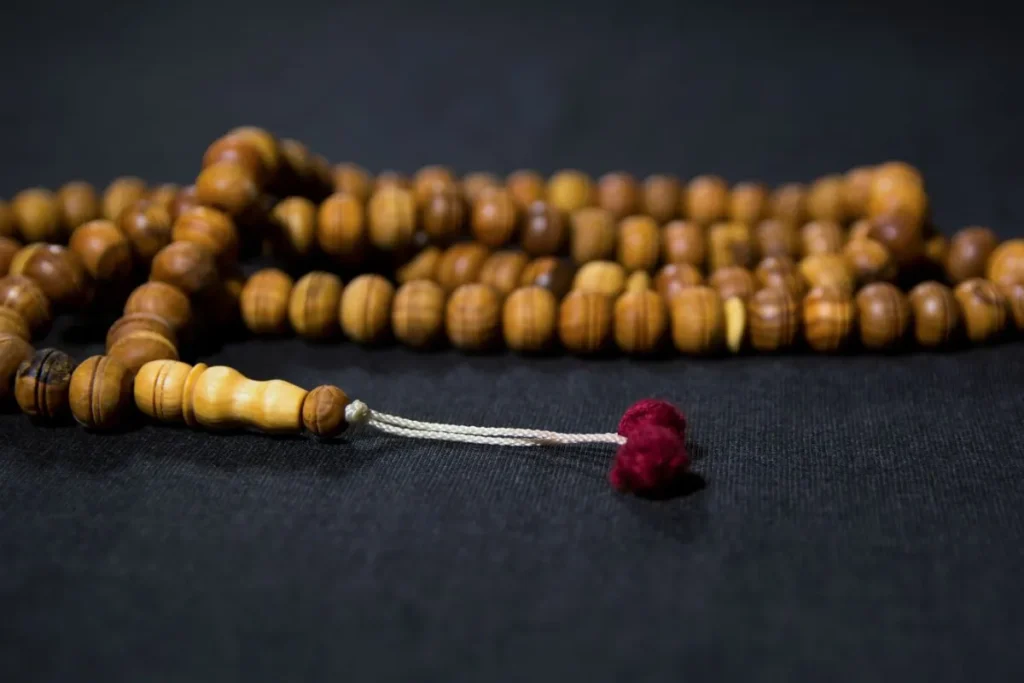
Allahumma barik (اللَّهُمَّ بَارِكْ) means “O Allah, bless (it).” It is a short prayer Muslims say when they see something good, such as a new baby, a beautiful home, a friend’s success or a child’s achievement, asking Allah to put barakah (lasting blessing and goodness) in it. It comes from the Sunnah: the Prophet ﷺ taught that when you see something you like in your brother, you should pray for blessing for him. This guide explains the meaning word by word, how to say it for a man, a woman or a group, how it differs from MashaAllah and TabarakAllah, and how to reply.
Allahumma barik in Arabic
اللَّهُمَّ بَارِكْ
Transliteration: Allahumma barik
Meaning: O Allah, bless (it).
Source: A short form of the prayer for blessing taught in the Sunnah; see the hadith below.
Allahumma barik meaning, word by word
| Arabic | Transliteration | Meaning |
|---|---|---|
| اللَّهُمَّ | Allahumma | O Allah |
| بَارِكْ | barik | bless, put barakah in |
| لَهُ / لَهَا / لَهُمْ | lahu / laha / lahum | for him / for her / for them |
| فِيهِ / فِيهَا | fihi / fiha | in it (masculine / feminine) |
The key word is barakah. It means more than “more of something.” Barakah is goodness that lasts and grows, so a little becomes enough and something good stays good. When you say Allahumma barik, you are asking Allah to make what you see a real, lasting blessing for its owner.
Where does “Allahumma barik” come from?
The clearest source is a well-known hadith about the evil eye. The companion ‘Amir ibn Rabi’ah saw Sahl ibn Hunaif bathing and admired him, and Sahl soon fell ill. The Prophet ﷺ asked why one of them would harm his brother, and said that when a person sees something he likes in his brother, he should pray for blessing for him. This is narrated in Sunan Ibn Majah 3509 (graded sahih) and in the Muwatta of Imam Malik.
So the main purpose of saying Allahumma barik is twofold: it turns admiration into a prayer, and it protects others from the harm of envy or the evil eye.
Allahumma barik in daily prayer
Muslims also say “Allahumma barik” in every prayer. The second half of the Salat Ibrahimiyyah (the blessings on the Prophet ﷺ recited in the final sitting) begins Allahumma barik ‘ala Muhammad, “O Allah, bless Muhammad,” as reported in Sahih al-Bukhari 3370.
Want to say these phrases correctly? Our teachers help children and adults pronounce everyday duas and Quran verses with proper Tajweed in live one-to-one lessons.
Allahumma barik lahu, laha and lahum
In Arabic the ending changes depending on who you are praying for:
| When praying for | Say | Arabic | Meaning |
|---|---|---|---|
| A man or boy | Allahumma barik lahu | اللَّهُمَّ بَارِكْ لَهُ | O Allah, bless him |
| A woman or girl | Allahumma barik laha | اللَّهُمَّ بَارِكْ لَهَا | O Allah, bless her |
| A group or family | Allahumma barik lahum | اللَّهُمَّ بَارِكْ لَهُمْ | O Allah, bless them |
| The person you are talking to | Barakallahu fik (to a man) / fiki (to a woman) | بَارَكَ اللَّهُ فِيكَ / فِيكِ | May Allah bless you |
You will often see the phrase spelled in different ways online, such as “Allahuma barik,” “Allah huma barik” or “Allahoema bareek.” They all refer to the same words. The most accurate English spelling is Allahumma barik.
Allahumma barik vs MashaAllah vs TabarakAllah
| Phrase | Arabic | Meaning | When it is used |
|---|---|---|---|
| MashaAllah | مَا شَاءَ اللَّهُ | “What Allah has willed” | To acknowledge that something good happened by Allah’s will |
| TabarakAllah | تَبَارَكَ اللَّهُ | “Blessed is Allah” | To praise Allah when you see something impressive |
| Allahumma barik | اللَّهُمَّ بَارِكْ | “O Allah, bless (it)” | To ask Allah to bless what you see for its owner |
Many Muslims combine them, for example “MashaAllah, Allahumma barik lahu,” when they see a new baby. MashaAllah recognizes the blessing; Allahumma barik asks for it to continue. Scholars have noted that the hadith specifically mentions praying for blessing, so adding a dua for barakah is closest to the wording of the Sunnah.
Other “barik” duas from the Sunnah
For a newly married couple
بَارَكَ اللَّهُ لَكَ، وَبَارَكَ عَلَيْكَ، وَجَمَعَ بَيْنَكُمَا فِي خَيْرٍ
Transliteration: Barakallahu laka, wa baraka ‘alayka, wa jama’a baynakuma fi khayr
Meaning: May Allah bless you, shower His blessings upon you, and bring you together in goodness.
Source: Sunan Abi Dawud 2130
For your host after a meal
اللَّهُمَّ بَارِكْ لَهُمْ فِيمَا رَزَقْتَهُمْ، وَاغْفِرْ لَهُمْ وَارْحَمْهُمْ
Transliteration: Allahumma barik lahum fima razaqtahum, waghfir lahum warhamhum
Meaning: O Allah, bless them in what You have provided for them, forgive them and have mercy on them.
Source: Sahih Muslim 2042
How to reply to “Allahumma barik” or “Barakallahu fik”
- Wa fik (to a man) or wa fiki (to a woman): “And in you.” This returns the prayer to the person who blessed you.
- Wa laka / wa laki: “And for you,” another common reply.
- Ameen: “O Allah, accept,” which is always a good response to any dua made for you.
When to say Allahumma barik: everyday examples
- A friend shows you photos of their newborn: “MashaAllah, Allahumma barik laha.”
- Your child finishes memorizing a surah: “Allahumma barik lahu.”
- A colleague gets a promotion or a new car: “Barakallahu fik.”
- You notice your own good health or a good result: “Allahumma barik li” (bless it for me).
For more everyday expressions, see our guide to common Arabic phrases Muslims use, and to understand related words, read about the meaning of Bismillah.
Pronunciation tips
- Allahumma: the mim has a shaddah, so hold it slightly: Allahum-ma.
- Barik: the first syllable is long, baa-rik, and the ر has a kasra so it is pronounced light.
- Barakallahu: join the words smoothly, baa-ra-kal-laa-hu, with a full, heavy lam in “Allah” because it follows a fatha.
If you would like a teacher to check your pronunciation, our Arabic language course and Quran with Tajweed course both cover everyday duas.
Frequently asked questions
What does Allahumma barik mean?
It means “O Allah, bless (it).” Muslims say it to ask Allah to put lasting blessing (barakah) in something good they see.
Is it Allahumma barik lahu or laha?
Say lahu for a male, laha for a female and lahum for a group.
What is the difference between MashaAllah and Allahumma barik?
MashaAllah acknowledges that something happened by Allah’s will. Allahumma barik is a request asking Allah to bless it. Many people say both together.
What do you reply to Barakallahu fik?
Reply wa fik (to a man) or wa fiki (to a woman), meaning “and in you,” or simply say Ameen.
Does saying Allahumma barik protect from the evil eye?
The hadith in Ibn Majah 3509 teaches that praying for blessing when you admire something is the Sunnah way to avoid harming others with the evil eye. Protection ultimately comes from Allah.
Turn admiration into a prayer
Allahumma barik is two words that change how we react to other people’s blessings: instead of envy, a sincere prayer. If you would like to learn more everyday duas and read the Quran with confidence, find the right Quran learning program or contact Home Quran Tutors.
Learn duas and Quran with a teacher. One-to-one online lessons for children and adults in the US, the UK and worldwide.
Written by the Home Quran Tutors team. This article is general guidance for learners and parents; for religious rulings, please ask your teacher or a qualified scholar you trust.