United States
 United Kingdom
 Canada
 Australia
 United Arab Emirates
 Saudi Arabia
 Denmark
 France
 Germany
 Indonesia
 Ireland
 Morocco
 Netherlands
 New Zealand
 Norway
 Singapore
 South Africa
 Sweden
 Turkey
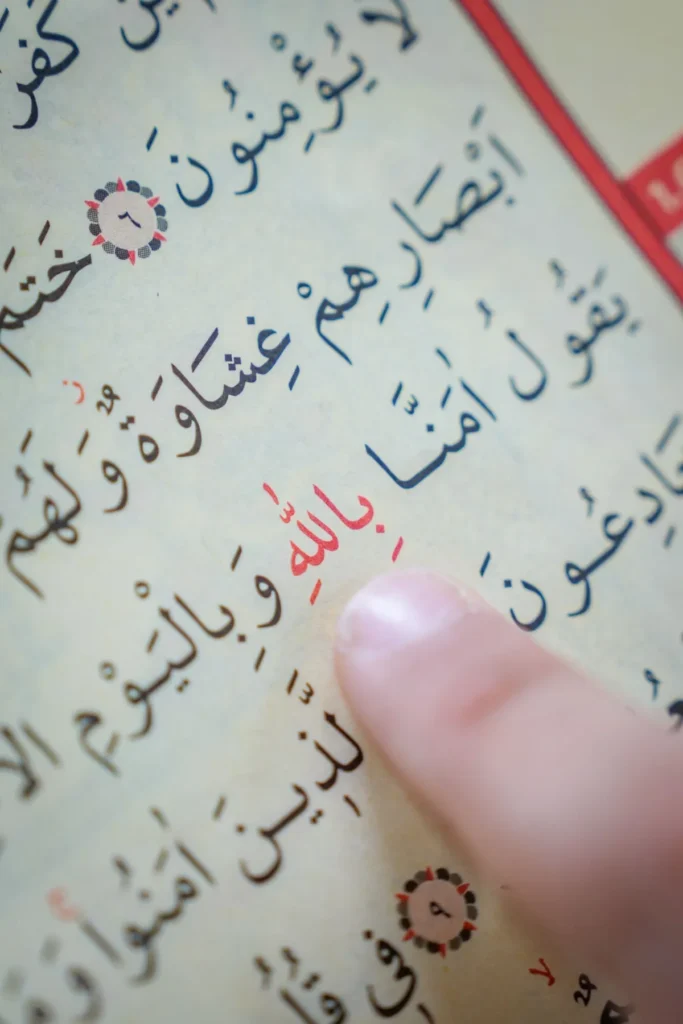
A few Arabic phrases go a long way. Many of them are used every day by Muslims around the world, whatever language they speak at home. Here are the most useful greetings and expressions, written in Arabic script with an easy pronunciation guide and a note on when to use them.
How to say hello in Arabic
- As-salamu ‘alaykum, السَّلَامُ عَلَيْكُمْ, “Peace be upon you.” The Islamic greeting, used everywhere.
- Wa ‘alaykumus-salam, وَعَلَيْكُمُ السَّلَام, “And upon you be peace.” The reply.
- Marhaban, مَرْحَبًا, “Hello” or “welcome”, a friendly everyday greeting.
- Ahlan, أَهْلًا, “Hi” or “welcome”; ahlan wa sahlan is a warm welcome.
The fuller greeting, as-salamu ‘alaykum wa rahmatullahi wa barakatuh (“peace be upon you, and the mercy of Allah and His blessings”), carries more reward. The Quran teaches that a greeting should be returned with one equal to it or better (Surah an-Nisa 4:86).
How are you?
- Kayfa haluk?, كَيْفَ حَالُكَ, “How are you?” (to a man); kayfa haluki? to a woman.
- Bikhayr, alhamdulillah, بِخَيْرٍ، الْحَمْدُ لِلَّه, “Fine, praise be to Allah.”
How to say thank you in Arabic
- Shukran, شُكْرًا, “Thank you.”
- Shukran jazilan, شُكْرًا جَزِيلًا, “Thank you very much.”
- Jazakallahu khayran, جَزَاكَ اللهُ خَيْرًا, “May Allah reward you with good.” Many Muslims prefer this, following a hadith that praises it (at-Tirmidhi). To a woman: jazakillahu khayran; to a group: jazakumullahu khayran.
- ‘Afwan, عَفْوًا, “You’re welcome.”
- Wa iyyakum, وَإِيَّاكُمْ, “And you too,” a common reply to jazakallahu khayran.
Phrases Muslims use every day
- Bismillah, بِسْمِ اللهِ, “In the name of Allah.” Said before eating, starting a task or a journey.
- Alhamdulillah, الْحَمْدُ لِلَّهِ, “Praise be to Allah.” Said after eating, sneezing, or good news.
- InshaAllah, إِنْ شَاءَ اللهُ, “If Allah wills.” Said about plans for the future (Surah al-Kahf 18:23-24).
- MashaAllah, مَا شَاءَ اللهُ, “What Allah has willed.” Said when admiring something good.
- SubhanAllah, سُبْحَانَ اللهِ, “Glory be to Allah.” Said in wonder, and in dhikr.
- Allahu akbar, اللهُ أَكْبَرُ, “Allah is the Greatest.”
- Astaghfirullah, أَسْتَغْفِرُ اللهَ, “I seek Allah’s forgiveness.”
- Barakallahu fik, بَارَكَ اللهُ فِيكَ, “May Allah bless you.”
Saying goodbye
- Ma’a as-salamah, مَعَ السَّلَامَة, “Goodbye” (literally “with safety”).
- Fi amanillah, فِي أَمَانِ الله, “In Allah’s protection.”
Tips for pronouncing these phrases
- The apostrophe in ‘alaykum and ‘afwan stands for the letter ع (‘ayn), a sound made deep in the throat.
- The “h” in alhamdulillah is the letter ح, a breathy sound from the middle of the throat, not the English “h”.
- The double letters in Allah and Allahumma are pronounced with emphasis.
- Listening to a teacher and repeating is the fastest way to get these sounds right.
If you would like to understand more of the Arabic you hear in prayers and duas, our Arabic Language classes teach Quranic vocabulary and grammar in clear English. Beginners can start with our guide to the Arabic alphabet.
Frequently asked questions
How do you say hello in Arabic?
The Islamic greeting is “as-salamu ‘alaykum” (peace be upon you). For a casual hello, people also say “marhaban” or “ahlan”.
How do you say thank you in Arabic?
“Shukran” means thank you. Many Muslims say “jazakallahu khayran”: may Allah reward you with good.
What does inshaAllah mean?
It means “if Allah wills” and is said when talking about future plans.
What is the reply to jazakallahu khayran?
A common reply is “wa iyyakum” (and you too) or “wa antum fa jazakumullahu khayran”.
Learn with a teacher, one-to-one
Would you like to read, pronounce and understand Arabic properly? Our teachers teach Arabic and Quran reading in live one-to-one lessons. Book a free trial lesson, or message us on WhatsApp with any questions.
Written by the Home Quran Tutors team. This article is general guidance for learners and parents; for religious rulings, please ask your teacher or a qualified scholar you trust.