United States
 United Kingdom
 Canada
 Australia
 United Arab Emirates
 Saudi Arabia
 Denmark
 France
 Germany
 Indonesia
 Ireland
 Morocco
 Netherlands
 New Zealand
 Norway
 Singapore
 South Africa
 Sweden
 Turkey
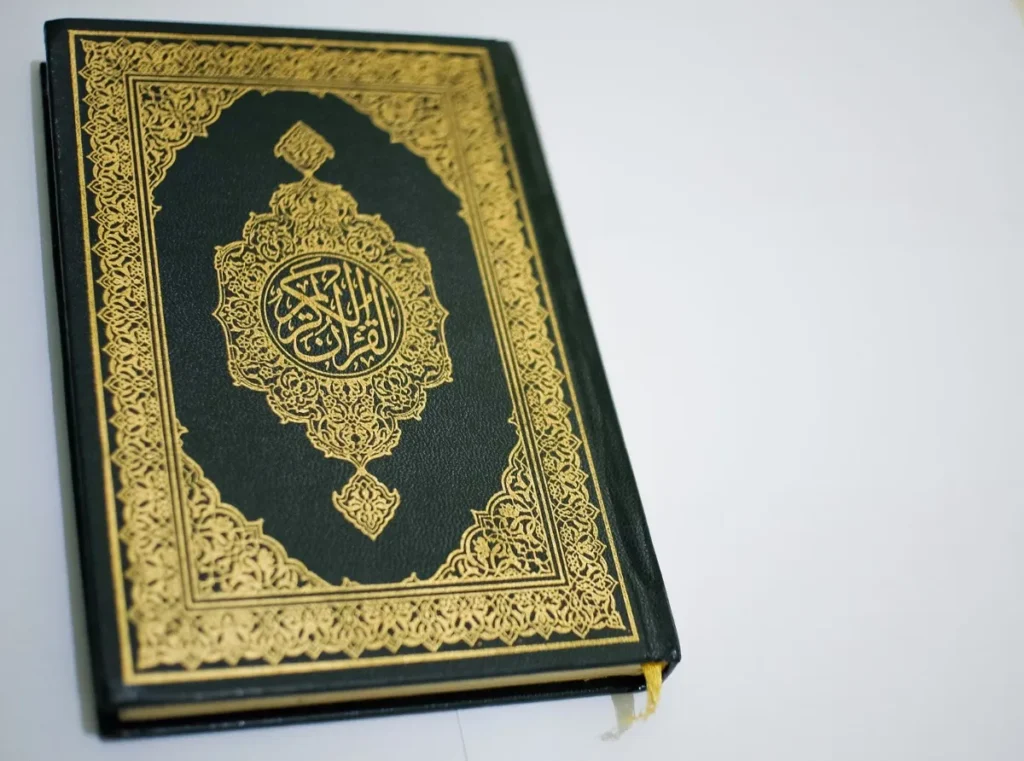
In Quran recitation, an Ijazah is a licence given by a qualified teacher to a student, confirming that the student has recited the Quran to them accurately and is permitted to recite and teach it as they received it. It connects the student to a chain of teachers going back, generation by generation, to the Prophet Muhammad ﷺ. This article explains what an Ijazah is, the main types, and what a student needs before starting.
The meaning of Ijazah
The Arabic word ijazah means permission or authorisation. Traditionally, it is granted after the student has recited to the teacher, often the entire Quran, and the teacher is satisfied with the accuracy of their recitation, Tajweed and, in some cases, their memorisation.
What is a sanad?
A sanad is the chain of teachers through which a recitation has been passed down. A teacher who holds an Ijazah with a sanad can trace their recitation through their own teacher, and their teacher’s teacher, back to the Prophet ﷺ. When a student receives an Ijazah, they are added to that chain. This is one of the ways the Quran has been preserved orally, alongside the written text.
Types of Ijazah in the Quran
- Ijazah in a recitation (riwayah): for example, the recitation of Hafs from Asim, which is the most widely read today. Some advanced students also study other recitations.
- Ijazah from memory or from the Mushaf: some Ijazahs are given for reciting the whole Quran from memory, others for reciting it accurately while reading.
- Ijazah in a Tajweed text: some students receive Ijazah in classical Tajweed poems, such as Tuhfat al-Atfal or al-Muqaddimah al-Jazariyyah.
Who can grant an Ijazah?
Only a qualified teacher who holds an Ijazah with a sanad can grant one, and only after a full assessment of the student. Before studying with anyone for Ijazah, it is reasonable to ask politely about the teacher’s own Ijazah and sanad. Students should be cautious of anyone who offers an Ijazah quickly or without a full recitation.
What a student needs before starting
- Fluent reading: confident, accurate reading of the whole Quran.
- Solid Tajweed: correct articulation of every letter and consistent application of the rules.
- Memorisation (for a memory-based Ijazah): secure Hifz with strong revision.
- Time and patience: reciting the whole Quran to a teacher takes many sessions.
- Willingness to be corrected: the teacher will stop and correct small details repeatedly.
How the Ijazah journey usually works
- An assessment of the student’s reading and Tajweed.
- A period of refinement, focusing on weak letters and rules.
- The full recitation to the teacher, often from beginning to end.
- The granting of the Ijazah by the teacher, if satisfied, usually with a written certificate listing the sanad.
Is an Ijazah necessary?
No: every Muslim is encouraged to recite the Quran as well as they can, and most people never need an Ijazah. It is especially valuable for those who want to teach the Quran, lead others in recitation or deepen their connection to the chain of transmission.
Our online Ijazah program helps students prepare: assessment, Tajweed refinement and complete recitation practice. We are clear that an Ijazah can only be granted by a qualified teacher holding a sanad, after a full assessment. Students who are not yet ready usually start with Quran with Tajweed or Hifz.
Frequently asked questions
How long does it take to get an Ijazah?
It depends on the student’s level and the type of Ijazah. Reciting the whole Quran to a teacher alone takes many sessions, and preparation before that can take much longer.
Can I get an Ijazah online?
Many teachers listen to recitation online. What matters is the teacher’s own qualification and sanad and a full, careful assessment of the student.
Do I need to memorise the whole Quran for an Ijazah?
Not always. Some Ijazahs are given for reciting the whole Quran accurately while reading from the Mushaf; others require memorisation.
What is the difference between Ijazah and a certificate of completion?
A certificate of completion shows that you finished a course. An Ijazah is a traditional licence from a qualified teacher with a sanad, given after a full assessment of your recitation.
Learn with a teacher, one-to-one
Would you like an honest assessment of your recitation and a clear plan to prepare? Our teachers work one-to-one with students who are aiming for Ijazah. Book a free trial lesson, or message us on WhatsApp with any questions.
Written by the Home Quran Tutors team. This article is general guidance for learners and parents; for religious rulings, please ask your teacher or a qualified scholar you trust.