United States
 United Kingdom
 Canada
 Australia
 United Arab Emirates
 Saudi Arabia
 Denmark
 France
 Germany
 Indonesia
 Ireland
 Morocco
 Netherlands
 New Zealand
 Norway
 Singapore
 South Africa
 Sweden
 Turkey
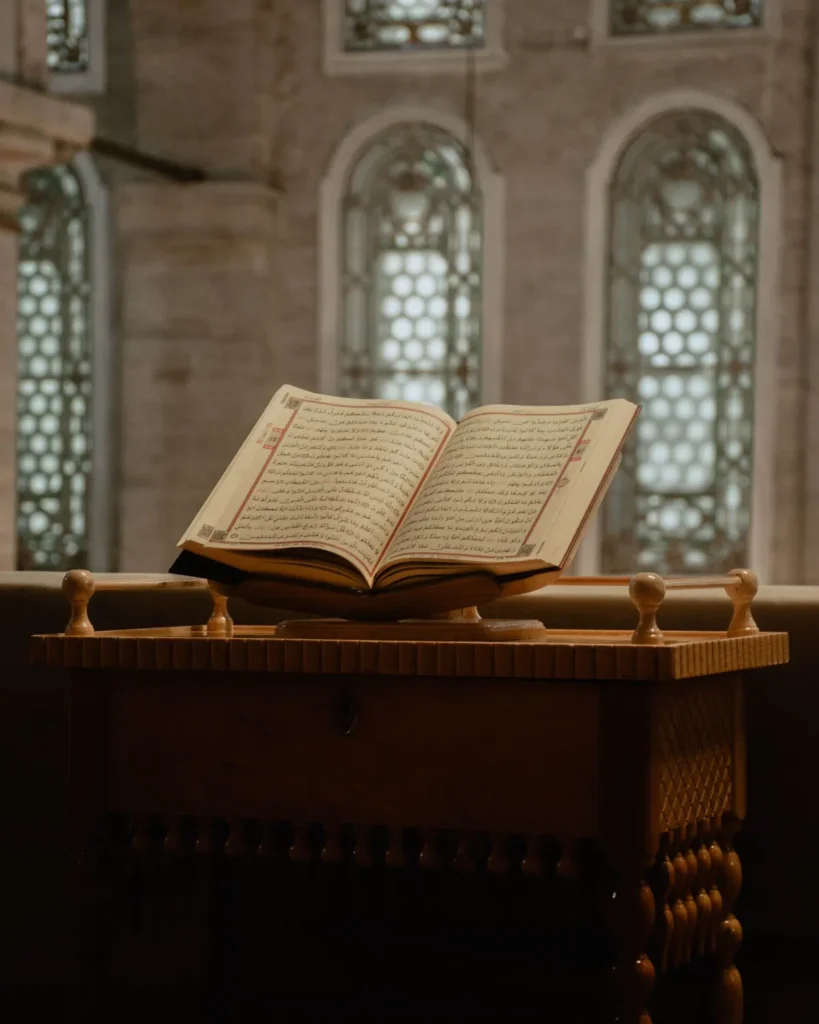
While reciting the Quran you will sometimes see a small mark in the margin and the word sajdah. These are the verses of prostration. When a reader recites or hears one, it is part of the Sunnah to make a single prostration, called sajdat at-tilawah (the prostration of recitation). This guide lists where they occur and explains how to perform them.
How many sajdahs are in the Quran?
Most printed copies of the Quran mark 15 places of prostration. Scholars of the different schools differ slightly over a couple of them, for example, some count 14, but the 15 below are the places marked in common printed copies.
- Surah al-A’raf (7), verse 206
- Surah ar-Ra’d (13), verse 15
- Surah an-Nahl (16), verse 50
- Surah al-Isra (17), verse 109
- Surah Maryam (19), verse 58
- Surah al-Hajj (22), verse 18
- Surah al-Hajj (22), verse 77
- Surah al-Furqan (25), verse 60
- Surah an-Naml (27), verse 26
- Surah as-Sajdah (32), verse 15
- Surah Sad (38), verse 24
- Surah Fussilat (41), verse 38
- Surah an-Najm (53), verse 62
- Surah al-Inshiqaq (84), verse 21
- Surah al-Alaq (96), verse 19
Verse numbering can differ by one in some printings, so always follow the sajdah mark in your own Mushaf. The second sajdah of Surah al-Hajj and the sajdah of Surah Sad are the two places where the schools differ most.
How the sajdah is marked in the Mushaf
In most printings you will see a small symbol in the text at the end of the verse, often shaped like a niche or a small dome, with a line above the word that triggers the prostration. The word sajdah is usually written in the margin as well.
How to perform sajdat at-tilawah
- When you reach the verse, say “Allahu akbar” and go down into a single prostration.
- In the prostration, glorify Allah, for example “Subhana rabbiyal a’la”, or say the dua below.
- Say “Allahu akbar” and rise. There is no tashahhud and no second prostration.
If the verse comes during salah, you prostrate once and then stand and continue your recitation. Many scholars say that the person listening attentively should also prostrate.
What to say in the sajdah
A dua reported from the Prophet ﷺ for the prostration of recitation is: sajada wajhiya lilladhi khalaqahu, wa shaqqa sam’ahu wa basarahu, bi hawlihi wa quwwatih: “My face has prostrated to the One who created it and brought forth its hearing and sight by His might and power” (Abu Dawud and at-Tirmidhi).
Is the sajdah of recitation obligatory?
The majority of scholars consider it a confirmed Sunnah. The Hanafi school considers it necessary (wajib) for the reciter and the listener. Scholars also differ over whether wudu and facing the Qiblah are required for it, with most saying the same conditions as prayer apply. If you are unsure, follow the guidance of the school you follow or ask a scholar you trust. These details are covered in Fiqh.
Teaching children about the sajdah
- Show them the sajdah mark in the Mushaf and let them find it in the last juz (Surah al-Inshiqaq and Surah al-Alaq).
- Practise the steps together: takbir, one prostration, takbir.
- Explain the meaning: we bow down because the verse describes creation bowing to Allah, or commands us to prostrate.
Our teachers point out the sajdah marks and practise them with students during Quran reading and Tajweed lessons.
Frequently asked questions
How many sajdahs are there in the Quran?
Most printed copies mark 15. Some schools count 14, mainly differing over the second sajdah of Surah al-Hajj and the sajdah of Surah Sad.
Do I need wudu for the sajdah of recitation?
Most scholars say the same conditions as prayer apply, including wudu and facing the Qiblah. Some scholars allowed it without wudu. Follow your school or ask a scholar.
What if I cannot prostrate at that moment?
Many scholars say you may make it up soon afterwards. Some also mention saying words of glorification if you cannot prostrate. Ask your teacher about the view you follow.
Do I prostrate every time I repeat the verse?
When a verse is repeated in one sitting, for example while memorising, many scholars say one prostration is enough.
Learn with a teacher, one-to-one
Would you like a teacher to guide your recitation, including the sajdah marks and the Tajweed rules around them? Lessons are live and one-to-one. Book a free trial lesson, or message us on WhatsApp with any questions.
Written by the Home Quran Tutors team. This article is general guidance for learners and parents; for religious rulings, please ask your teacher or a qualified scholar you trust.